
Wearables explained: A complete guide
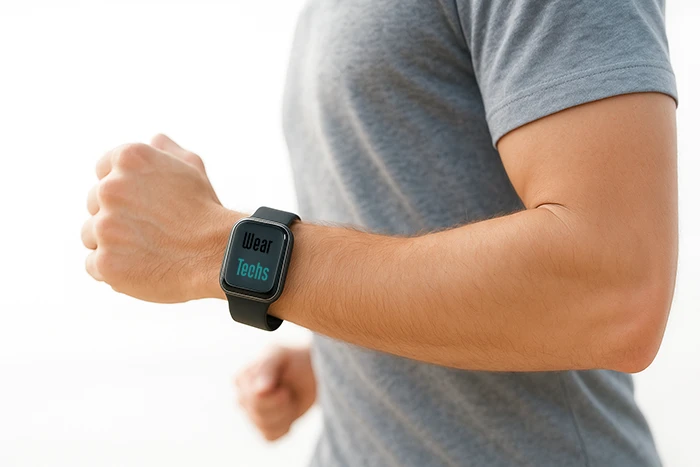
Wearables are gadgets you wear on your body—like smartwatches, smart rings, hearables (audio wearables), and AI glasses. If a smartphone is your pocket computer and a tablet is your couch computer, a wearable is your always-with-you companion. It quietly collects signals about movement, heart rate, sleep and more, then turns them into simple insights you can act on.
How wearables work (compared to your phone or tablet)
Phones and tablets already have powerful processors and big screens. Wearables trade those for comfort and constant contact. A watch on your wrist or a ring on your finger can capture signals a phone often misses, especially at night. Most wearables sync to an app on your phone (and sometimes a cloud account). You check the app for graphs and summaries, but the useful nudges—stand reminders, zone-based pacing, or a gentle “bedtime” hint—arrive on the wearable itself so you don’t have to unlock a screen.


The main types you’ll see
Smartwatches & fitness trackers look like regular watches but measure heart rate, steps, workouts and sleep. They’re great all-rounders for notifications, payments and GPS runs.
Smart rings prioritize comfort and battery life. They shine at 24/7 tracking of sleep, temperature trends and readiness without a bright screen.
Hearables are earbuds or glasses with microphones and speakers. They excel at calls, voice assistants and hands-free guidance (think coaching cues or turn-by-turn audio).
AI/smart glasses range from camera-and-audio models to glasses with a tiny HUD (heads-up display). They’re handy for quick photos, translations and glanceable directions without pulling out your phone.
Medical and patch wearables focus on one metric (like ECG or glucose). Some features are clinically cleared; check claims if you need medical-grade data.
What wearables are good at
For most people, the biggest win is habit change. Daily “small data”—sleep duration, resting heart rate, HRV trends, activity minutes—makes it easier to go to bed on time, take a walk, or avoid over-training. During workouts, a wearable keeps you in the right heart-rate zone and logs routes. In daily life, it reduces friction: a wrist tap for a message, audio directions through glasses, or a quick voice note while your hands are busy.


What they’re not
Wearables aren’t magic. Sleep stages (REM, deep) are estimates. Optical heart-rate can wobble during intense, high-movement exercise. SpO₂ readings vary. Treat these as trends over time, not diagnoses. If you need clinical accuracy, look for features with regulatory clearance (for example, an ECG app cleared in your region).
More about wearables
Privacy and your data
A wearable typically stores data on the device, then the phone app, then (optionally) the cloud. Before you buy, check whether you can export your data (CSV/JSON) and sync to Apple Health or Google Health Connect. Turn on two-factor authentication, keep firmware updated, and review what’s shared with third parties. You’re in charge—use the app’s permissions to limit microphone, location or cloud backup if you prefer.
How to choose your first wearable
Start with your goal. If you want a little of everything—health trends, notifications, workouts—choose a smartwatch. If comfort and sleep are top priority, a smart ring is hard to beat. If you want hands-free help, consider hearables or AI glasses. Then check the essentials:
Battery life: watches often last 1–2 days (more if screen is off), rings 4–7 days, AI glasses hours.
Compatibility: make sure it plays nicely with your iPhone or Android and your favorite apps.
Sensors: heart rate (PPG) is standard; ECG, temperature, GPS and SpO₂ are bonuses if you’ll use them.
Comfort: you’ll only get value from a device you actually wear. Try sizes and weights if possible.
Total cost: some brands put premium features behind a subscription—factor that into the price.
Caring for your device
Rinse straps after sweaty workouts, avoid harsh cleaners on optical sensors, and update firmware regularly. For rings and glasses, keep a spare charger and a travel case. If GPS seems off, recalibrate; if Bluetooth drops, re-pair the device.
What’s next for wearables
Expect faster on-device AI (better summaries and coaching without sending all data to the cloud), brighter and more efficient HUDs in glasses, and new biomarker experiments (like cuff-less blood pressure). Interoperability will improve too, meaning your watch, ring and hearables will cooperate more smoothly with your phone and favorite fitness or health apps.
Bottom line
Think of a wearable as a habit helper that works with your phone or tablet. Pick the form factor you’ll keep on all day, follow the trends rather than single numbers, and choose a brand that respects your data. Do that, and your first wearable will quietly nudge you toward better sleep, smarter training, and fewer distractions—without dominating your screen time.